Formulation Development
Formulation Development Services for Generic and Branded Products
A formulation is finished when a plant can make it.
Our formulation development services take a drug substance, or a product that isn't working, to a formula that is stable, performs as intended and can be made at scale. We do the work in our own lab and plan for your plant from the start. Each stage can be ordered separately.
- Clients served
- 800+
- Countries
- 64

What a formulation development company should hand you
A formula on its own is not much use. What you need is a product another team can make, test and file without calling the people who invented it. That shapes how we work. Preformulation records what the API will and won't tolerate. Product design sets a target, usually from a reference product, and finds a formula that meets it. Optimization finds how far each setting can move. Methods are developed alongside, since a formula that changes after its method is validated costs you both. Stability tests the result in the pack you will sell, and exhibit batches prove it on real equipment, at your plant or CMO. By then the reasons behind each choice are written down, which is exactly what technology transfer needs.
What our formulation development services cover
Preformulation Studies
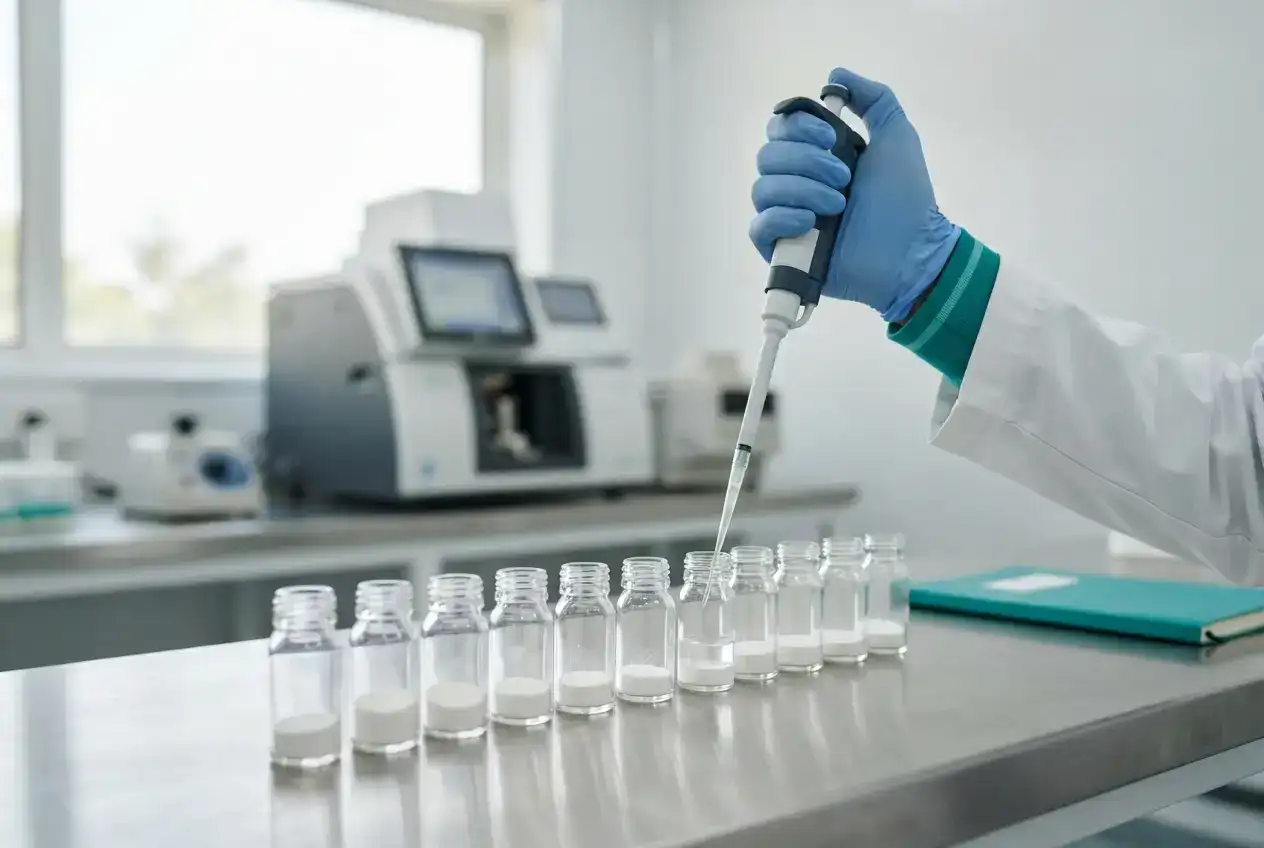
- Solubility and ionization
- Solid form and powder behavior
- Excipient compatibility
- Stress testing

Generic Formulation & Product Design
- Reference product testing
- Target product profile (QTPP)
- Platform and process choice
- Prototypes and dissolution
Formulation & Process Optimization
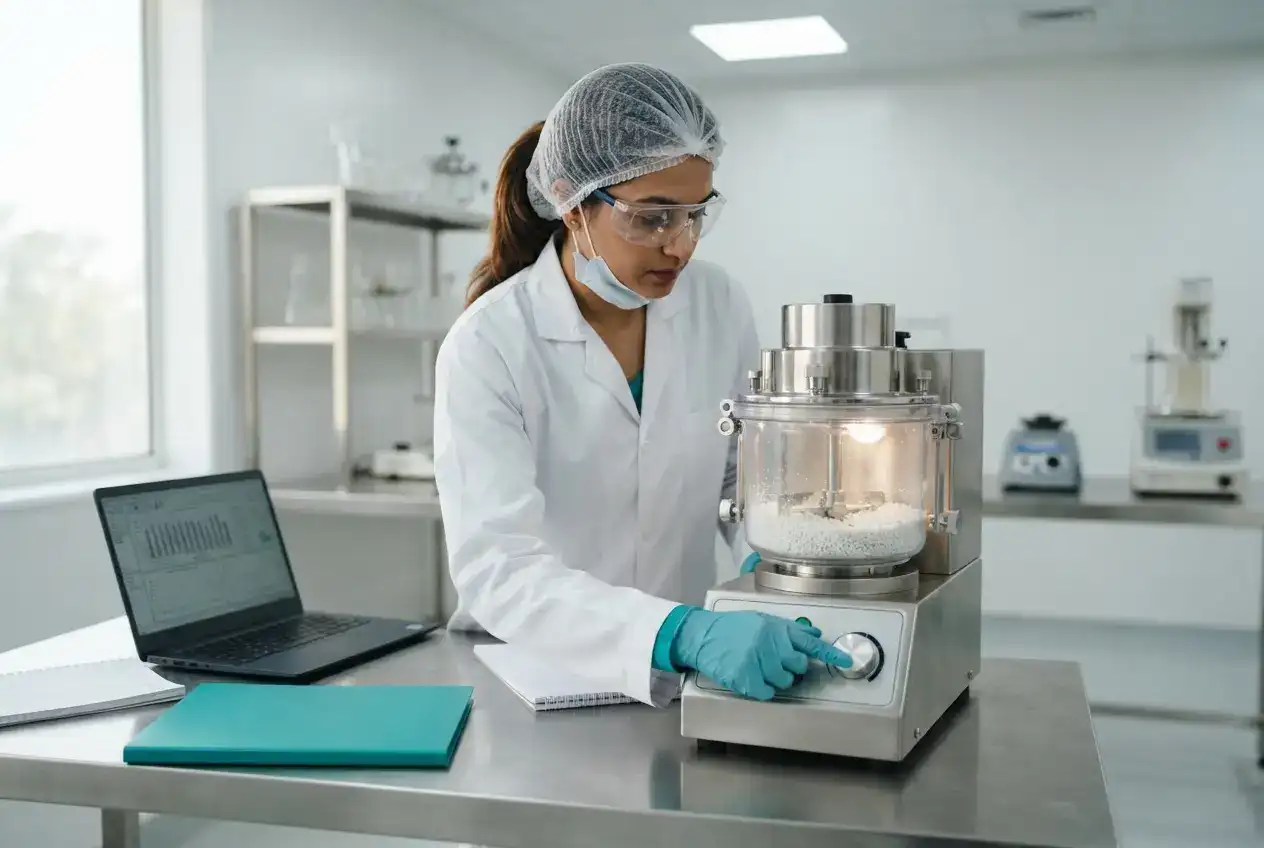
- Risk assessment
- Design of experiments
- Edge-of-range batches
- Control strategy
Analytical Method Development & Validation
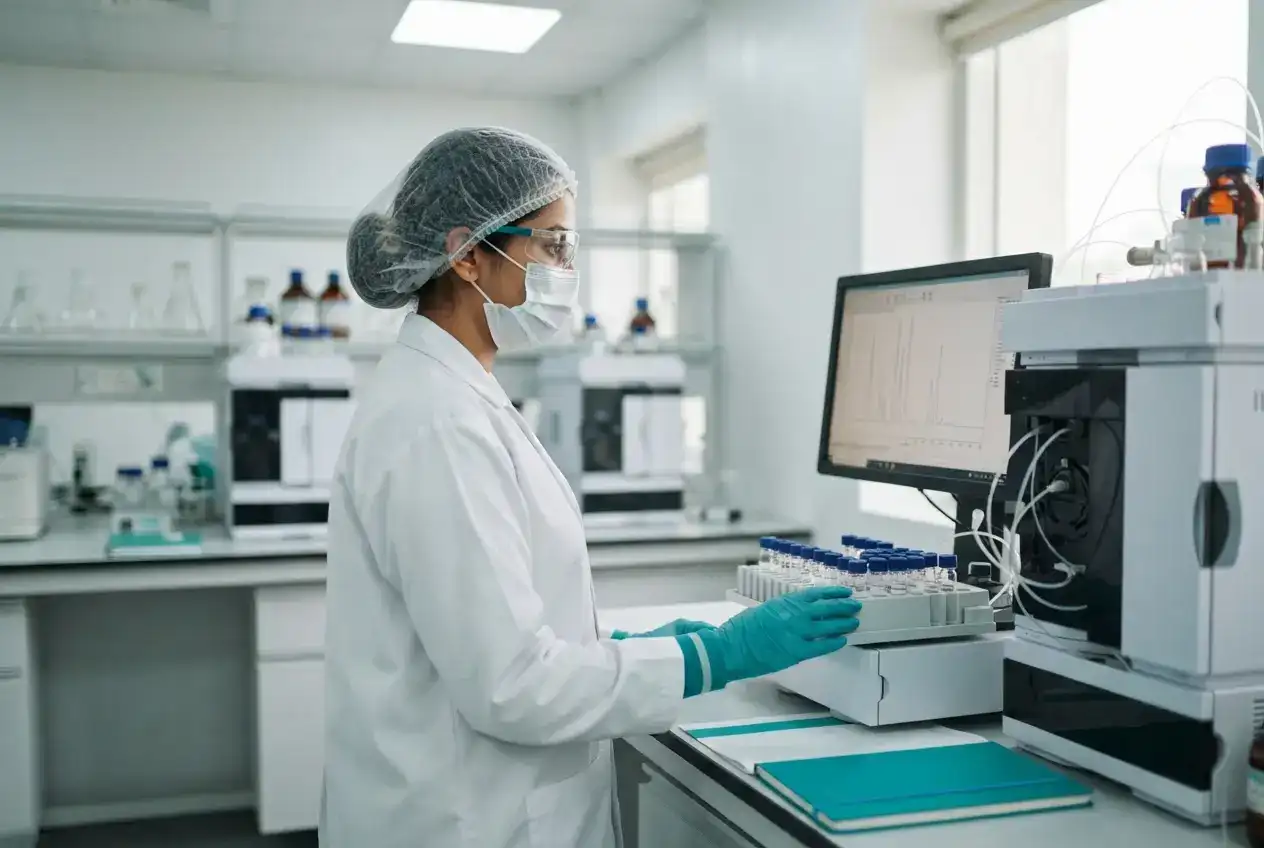
- HPLC/UPLC assay and impurities
- Dissolution method development
- Validation to ICH Q2(R2)
- Method transfer
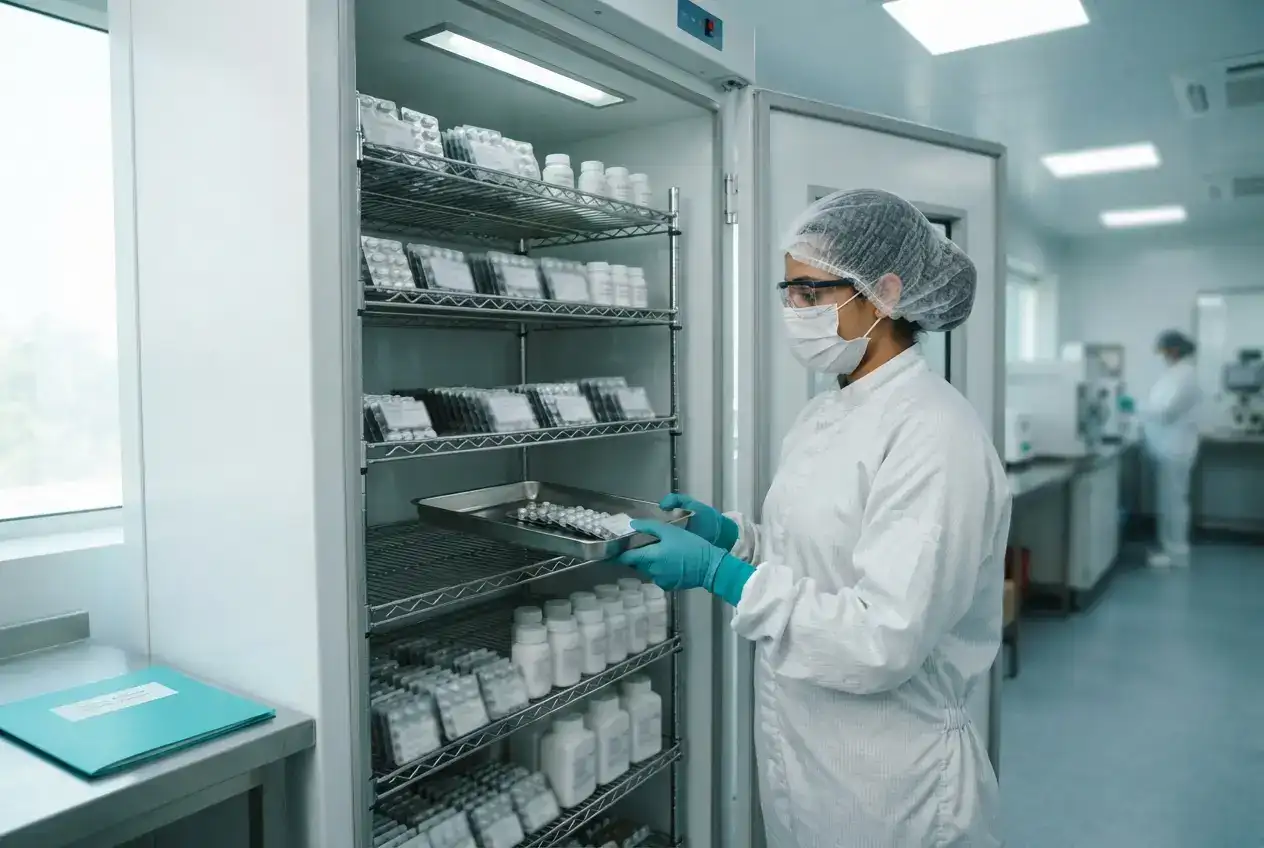
Analytical Testing & ICH Stability
- ICH stability protocols
- Photostability
- Release testing
- Shelf-life proposals
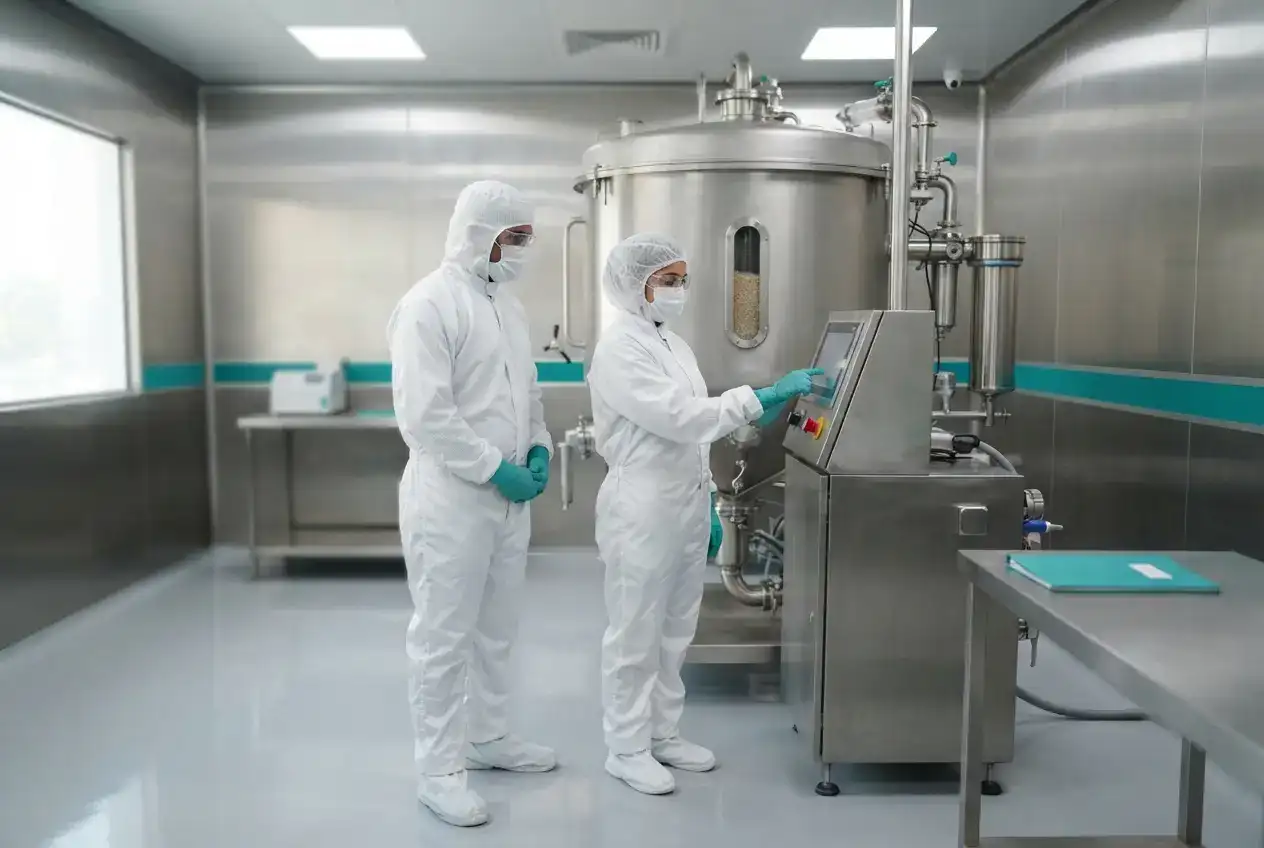
Scale-up & Exhibit Batches
- Batch size planning
- Equipment comparison
- Trial and exhibit batch support
- Batch record drafting

Regulatory Support
- Module 3.2.P writing
- Pharmaceutical development (P.2)
- Gap review before filing
- Agency query answers
How a formulation project runs with us
-
Read what exists
API data, earlier prototypes, the reference product and your markets. A good share of first questions are already answered in a report nobody has opened for a while.
-
Fix the target
Dose, release, shelf life, pack and the plant that will make it. Every later decision is checked against this page.
-
Develop and narrow
Prototypes and methods move together. Designed experiments then show which settings matter and where they stop working.
-
Prove it over time and at scale
The lead formula goes on stability. We plan trial and exhibit batches with your plant or CMO and support the runs.
-
Hand over
You get the development report, methods, stability data and Module 3.2.P text. The transfer team can take it from there.
Guidelines, platforms and partners
Guidelines we work to
- ICH Q8(R2) Pharmaceutical Development
- ICH Q9(R1) Quality Risk Management
- ICH Q2(R2) and Q14 for analytical procedures
- ICH Q1A(R2) stability and Q1B photostability
- ICH M9 for BCS classification
Formulation platforms
- Delayed release and enteric-coated products
- Orally disintegrating tablets and MUPS
- Solubility and bioavailability enhancement
- Injectables and biosimilars
- Nutraceutical tablets, capsules and powders
Who we work with
- Generic companies preparing ANDA, EU or ROW filings
- Branded companies moving a product to a new platform
- CMOs that need extra development capacity
- Nutraceutical brands raising their quality standard
Who it's for
- Generic companies building a product pipeline
- Innovator and branded companies moving to a new platform
- Contract manufacturers short of development capacity
- Nutraceutical companies that need pharma-grade development
Why partners choose us for formulation development
We design for a machine that exists. Before choosing a process we ask what the receiving plant runs, because a formula that needs equipment nobody has is an expensive report. We also tell you when a study isn't needed: a soluble, stable drug does not call for solubility enhancement. If you'd rather not develop at all, the product list may already have what you want.
Part of the Indivirtus group
- Group companies
- 6
- Clients across the group
- 800+
- Countries
- 64
Frequently Asked Questions
What do formulation development services include? +
Preformulation, product design, optimization, methods, stability testing, scale-up and exhibit batch support, and the development sections of the dossier. You can take one stage or all of them. Many projects start in the middle, with a formula that exists but will not scale, or a product that has to change platform.
Which dosage forms do you develop? +
Oral solids are the core: immediate release, delayed release, orally disintegrating tablets and pellet systems (MUPS). We also work on injectables, biosimilar formulations, nutraceuticals and poorly soluble drugs. If your product is outside this list, ask, and we will say plainly whether it fits.
Where is the development work done? +
Development and small-scale batches are made in our own lab. Exhibit and commercial batches are made under GMP at your plant or your CMO, and we support them on site or remotely. That is why we ask about the receiving equipment early, often before the first prototype.
Can you work with our existing manufacturer? +
Yes, and we prefer it. Designing for equipment that's already there makes scale-up a smaller step. Send us the equipment list and the batch size you have in mind, and we will tell you which process routes it allows.
Who owns the formulation and the data? +
You do. The formulation, development records, methods and stability data belong to you and are handed over in full. You will need them for the dossier, for the transfer and for every change after approval.
What information do you need to start? +
The molecule, dose, dosage form, markets and anything already tried. API data on solubility, stability and solid form help. Gaps are normal, and finding them is part of the first review. If you are matching a reference product, tell us which one and which strengths.
Show all 8 questions
How do I choose a formulation development company? +
Ask who will run the project and what they have done with your dosage form. Ask to see how a development report looks, how they plan for scale-up and what happens when a prototype fails. Then ask what you will own at the end. Put the same questions to us.
Do you sign a confidentiality agreement first? +
Yes. We can sign one before you send any formula, process or API data. Contact us without the confidential details, and we will arrange the agreement before the technical discussion.