Technology Transfer
Pharmaceutical Technology Transfer Services from Lab to Plant
A transfer is finished when your plant makes the product right.
Our pharmaceutical technology transfer services move a process into your plant, whether it comes from development, your R&D center or another manufacturing site. We take the whole transfer, from gap analysis to the site change filing, for oral solid and sterile products. You can also hand us one part of it.
- Clients served
- 800+
- Countries
- 64

What a technology transfer actually moves
Transfers rarely fail because a document is missing. They fail because knowledge stayed behind. Someone at the old site sieved the granulate warm, or knew that one excipient lot ran differently, and it never reached the batch record. So we treat the job as a knowledge problem first. A gap analysis compares the two sites from the documents and data each provides. Then the process is adapted and scaled to the receiving equipment, and transfer batches show whether that worked. The protocol, batch records and report are written as it happens. Validation follows, and the new site is filed in each market. If a batch fails on the way, we investigate it. One limit to know early: equipment and facility qualification belongs to the site. We ask for the records and review them, but we don't perform IQ, OQ or PQ.
What our pharmaceutical technology transfer services cover
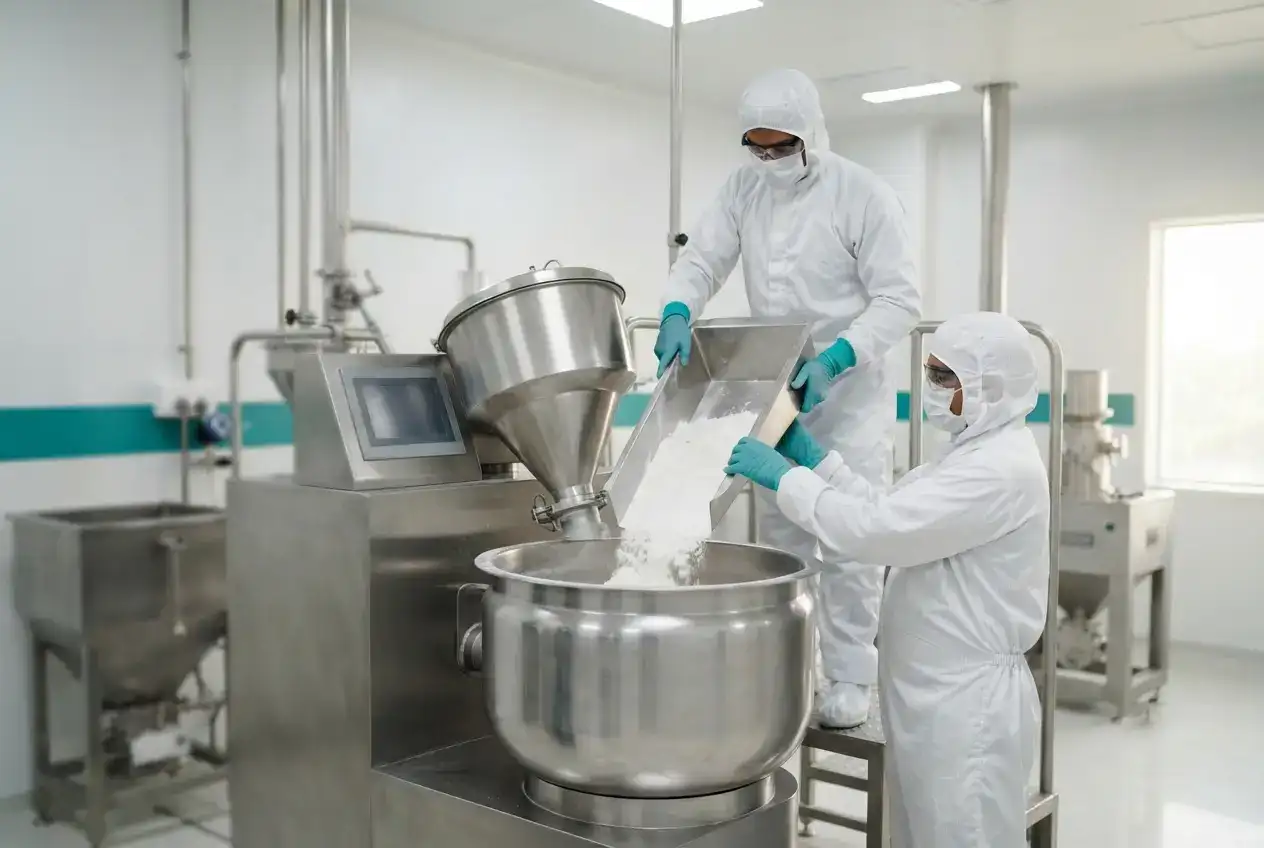
Site Transfer & Scale-Up
- Receiving site gap analysis
- Process adaptation to new equipment
- Scale-up calculations
- Transfer batches
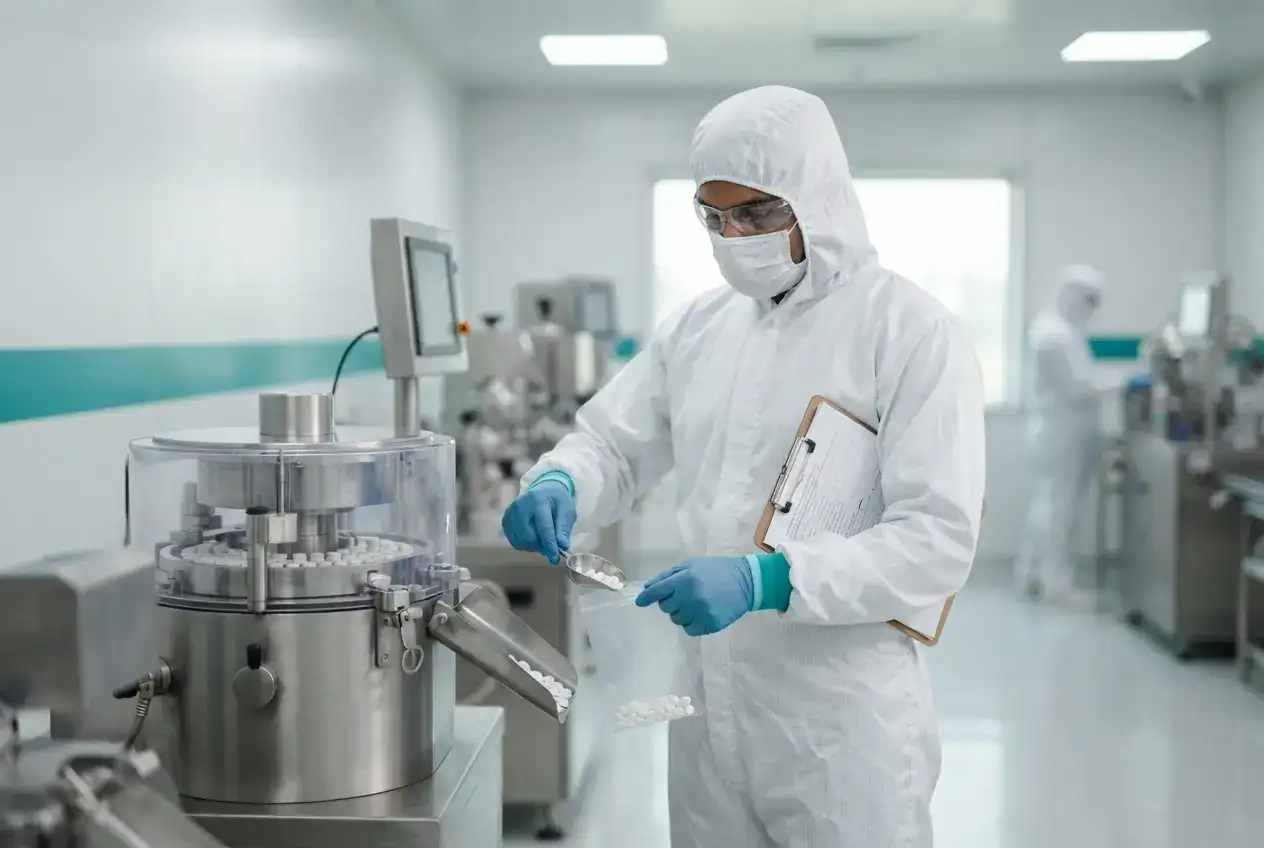
Process Validation & PPQ
- Readiness and qualification record review
- Batch number and sampling rationale
- PPQ protocols and reports
- Continued process verification
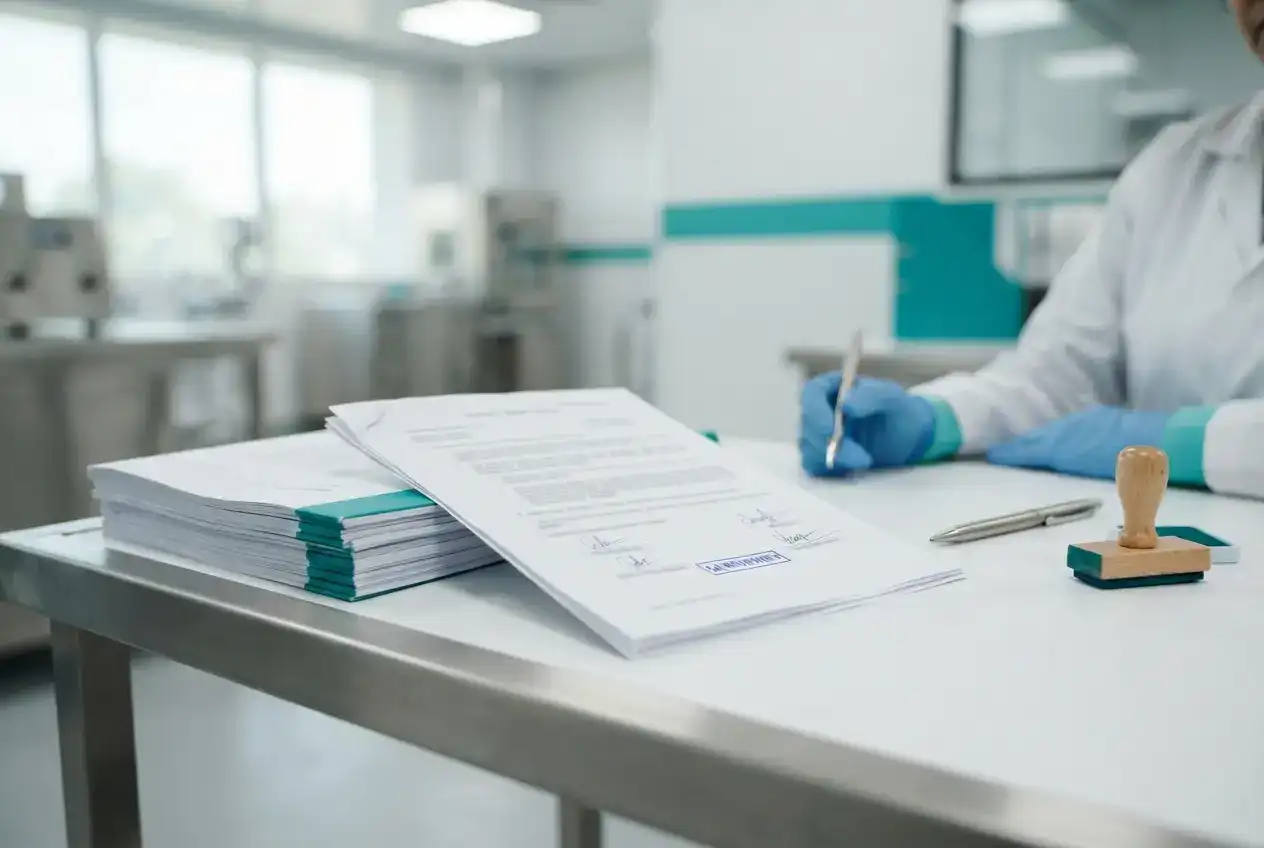
Technology Transfer Documentation
- Transfer protocol and report
- Master batch records
- Comparability data
- Site change filing content
Batch Failure Investigation
- Good and bad batch comparison
- Root cause report
- CAPA and change control input
- Process optimization
How a technology transfer runs with us
-
Collect the knowledge
Development report, batch records, methods, stability data and deviations. Then we talk to the people who made the batches, because the most useful notes are rarely written.
-
Find the gaps
We compare both sites on equipment, materials, utilities and testing, and review the receiving site's qualification documents. Every gap gets an owner.
-
Adapt and make transfer batches
Settings are recalculated for the new machines. Batches run under an approved protocol, and the results are compared with the sending site.
-
Validate and file
Once transfer batches pass, we write the PPQ protocol and report with your QA team, and prepare the site change for each market.
-
Watch the first commercial batches
We support them on site or remotely, look into anything that drifts, and close the transfer with a final report.
Guidelines, transfer types and partners
Guidelines we follow
- ICH Q10 Pharmaceutical Quality System
- WHO TRS 1044, Annex 4 on technology transfer
- FDA Process Validation guidance (2011)
- EU GMP Annex 15
- ISPE Good Practice Guide: Technology Transfer
Types of transfer
- Lab or R&D to commercial plant
- Site to site within one company
- Company to CMO, or CMO to company
- Licensor to licensee, including cross-border
- Analytical method transfer to QC
Who we work with
- Generic companies launching in new markets
- Brand owners moving production to a CMO
- Licensees receiving products from our catalogue
- Plants taking over products from closed sites
Who it's for
- Companies moving a product to a new plant or CMO
- Developers transferring from lab to commercial site
- Licensees receiving a product from a partner
- Plants consolidating production from several sites
Why partners choose us for technology transfer
We also do formulation development, so we can tell which settings a product depends on and which are only habit. That decides where the effort goes. And if you'd rather start from a product that is already developed, our technology transfer catalogue lists what is available.
Part of the Indivirtus group
- Group companies
- 6
- Clients across the group
- 800+
- Countries
- 64
Frequently Asked Questions
What is technology transfer in pharma? +
It is the planned move of a product, its process and the knowledge behind them from one place to another, such as from R&D to a plant or between two plants. It is finished when the receiving site can make the product consistently and has the evidence to show it, not when the files have been sent.
What do your technology transfer services include? +
The complete transfer: gap analysis, process adaptation and scale-up, protocol and batch records, transfer batch support, comparability, process validation, site change filings and the final report. You can also give us a single part, such as the protocol or an investigation. Equipment qualification is not included. We review those records, and the site performs the work.
Which dosage forms do you transfer? +
Oral solids and sterile products. The method is the same, but the gaps are different. Tablets usually turn on granulation, blending and press speed. Sterile products bring filtration, filling, container closure and sometimes freeze-drying, so those get their own section in the gap analysis and the protocol.
Can you transfer a product to a site outside India? +
Yes. Transfer batches can be supported on site or remotely. A cross-border move also needs early checks on local excipient grades, import of samples and reference standards, language of the batch records and what each regulator expects for the new site. Tell us both locations and the markets the product is sold in.
Why do technology transfers fail? +
Most often because something known at one site never reached the other. Material lots, equipment and test methods then differ in ways nobody assessed, and the first batch shows it. Unclear roles make it slower to fix. A gap analysis that includes the operators, and not only the documents, catches a good part of this early.
What do you need from the sending site? +
The development report, batch records, specifications, test methods, stability data and equipment list are the core. Deviations and notes from the people who made the batches matter as much. We will also ask about the receiving site: its equipment, and whether it is qualified, with the documents to support that.
Show all 8 questions
Can you transfer a product when the sending site has little data? +
Yes. We list what is known and what is missing, then rebuild the key knowledge from samples, records and trials. The risk assessment shows which gaps must close before transfer batches start. Contact us with whatever records exist, even if they are incomplete.
Do you offer products that are ready for transfer? +
Yes. Our product technology packages cover developed products, with support to transfer them to your site. The product catalogue on our downloads page lists them by dosage form and strength. If nothing there fits, the alternative is a development project followed by a transfer.